Constructed in the 1880s, Rippon Lea’s grotto is one of its’ special hidden treasures.
It’s a rare surviving example of what was considered a ‘must-have’ feature in a grand 18th and 19th century garden.
A grotto was a sought-after feature in a grand landscape garden. Inspired by crypts and shrines of antiquity and later Renaissance gardens, a grotto was the ultimate status symbol. It brought a stylised and romantic version of nature to life, while showcasing the owner’s classical education.
Although elaborate and expensive to build, grottoes were carefully crafted to appear natural and rustic. Rough stone and shells were common materials used to evoke the feeling of a natural cave. The contrast between the wild appearance of the grotto and the ordered landscape around it heightened its sense of mystery and theatre.
The Cave
The Rippon Lea grotto features a cave hidden behind the waterfall. Special viewing ‘windows’ were incorporated into the rock work, providing views through the waterfall and across the lake. Offering cool shade, the sound of running water and unexpected views, it provided a welcome contrast from the formality of the house and gardens.
The otherworldly nature of the Rippon Lea grotto would be further enhanced during special evening events. Lanterns would be hung throughout the garden and on the lake itself. Evidence of where hooks were used to hang lanterns in the grotto can still be found within the cave today.
A Home for a Hermit?
In the 1700s, some wealthy British landowners went so far as to hire the services of an ornamental ‘hermit’ to add to the theatre of their grotto. Some were forbidden to speak or cut their hair and lived in apparent isolation, playing the role of hermit-in-residence. Thankfully, the Rippon Lea grotto has never been home to a hermit!
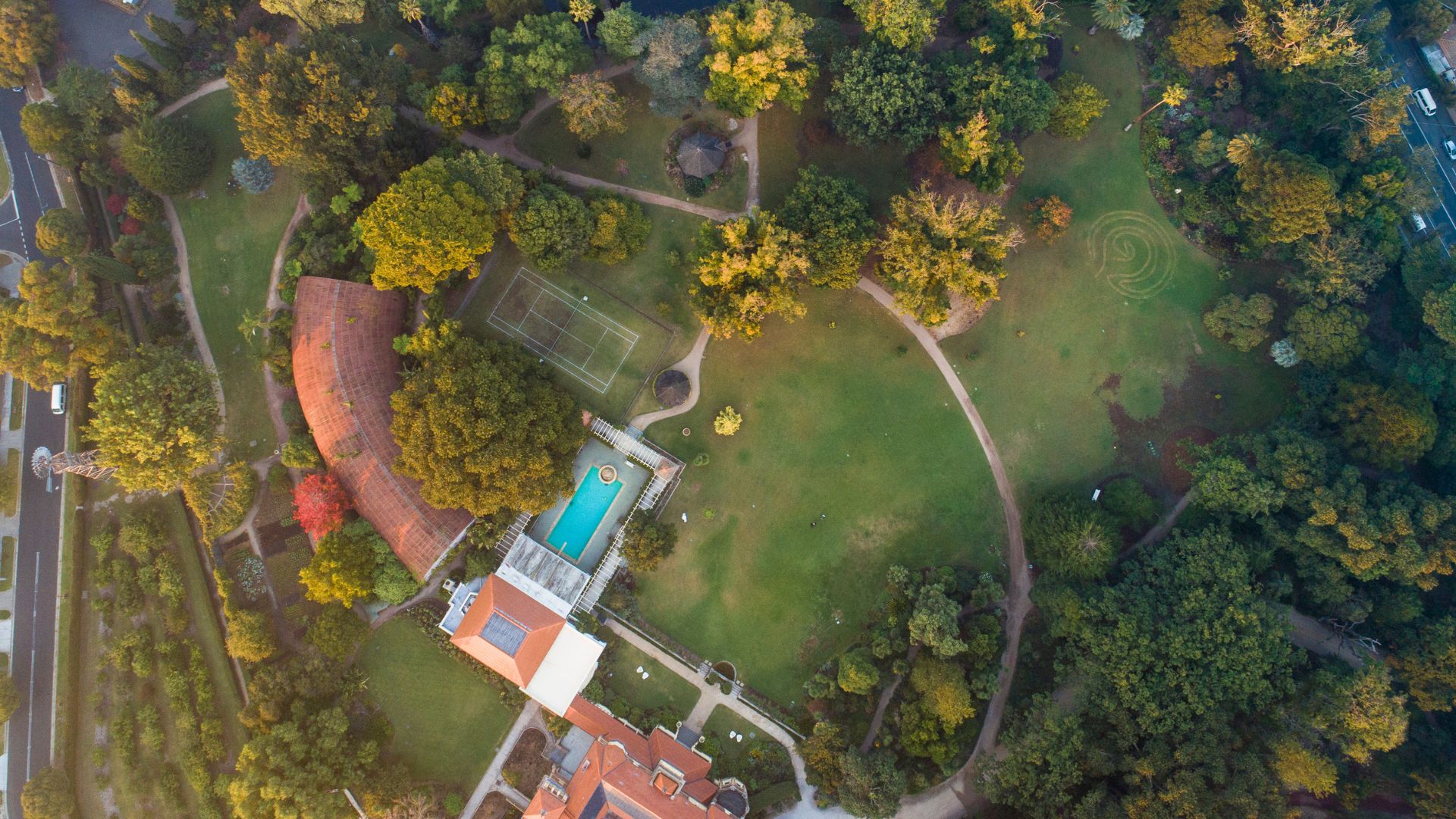
Of National heritage significance, Rippon Lea is a grand 19th century mansion complete with a Victorian garden to explore, heritage orchard, lake, childrens playground, fernery and grotto.