An ecological oasis amongst the gridlock of urban life, Rippon Lea’s gardens are a beacon of biodiversity.
They are recognised as one of the Top 5 Biodiversity Hotspots within the city of Glen Eira.
The challenges of urban expansion and increased housing development means biodiverse ‘green’ spaces are more important than ever. As our cities get hotter, they have a vital role to play.
Heritage gardens like Rippon Lea play a key role in Melbourne’s urban ecosystem and in the broader push for cooling, green initiatives across the city.
In highly modified urban environments, the structural elements of parks and gardens are more critical to supporting biodiversity than the individual species of plants or animals that may be present. Rippon Lea’s complex and diverse garden structure is integral to its value as a biodiversity hotspot.
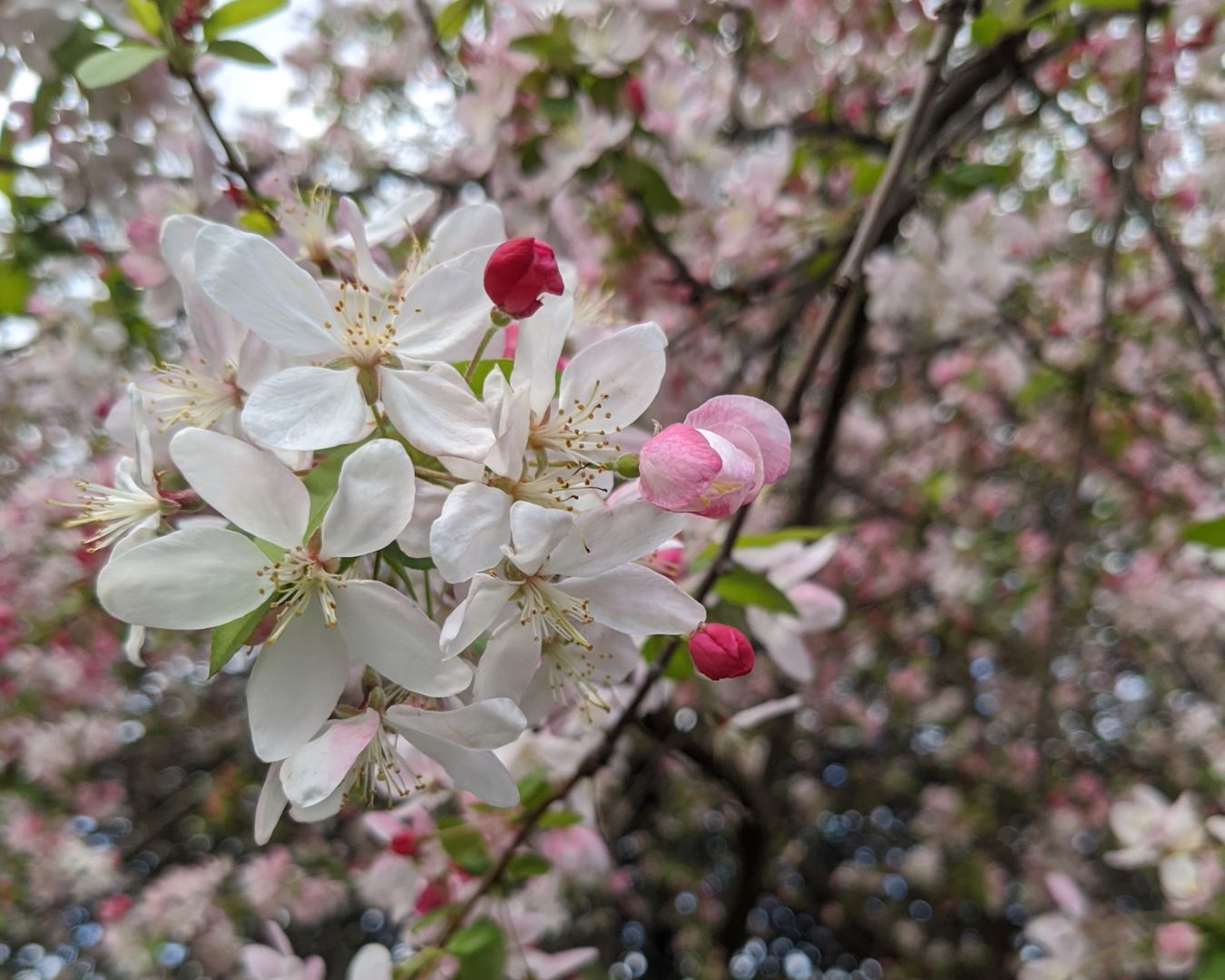
Not only are Rippon Lea’s gardens full of a diverse range of plant species, they are also carefully structured to provide refuge and niches for a greater variety of lifeforms.
Key to this structure are the middle and lower layers of the garden: shrubs, herbaceous plants and small trees that bridge the gap between the lawn and taller tree canopies. These middle layers are critical for housing diverse wildlife species.
Having had over 150 years to grow and evolve, the complex structure of these gardens is closer to those of the natural environment than most urban parks and gardens.
Because of the time that the Rippon Lea garden has had to grow and develop, the garden is an ecosystem that is largely self-supporting and in-balance, rarely needing interventions against pests or diseases.
Another environmental legacy from the 1860s is the complex, underground water system that irrigates the garden self-sufficiently all year-round.
This water system is also a modified replacement for some of the key aspects that have been lost from the pre-colonial landscape of the Boon Wurrung area.
Flora and Fauna of Rippon Lea
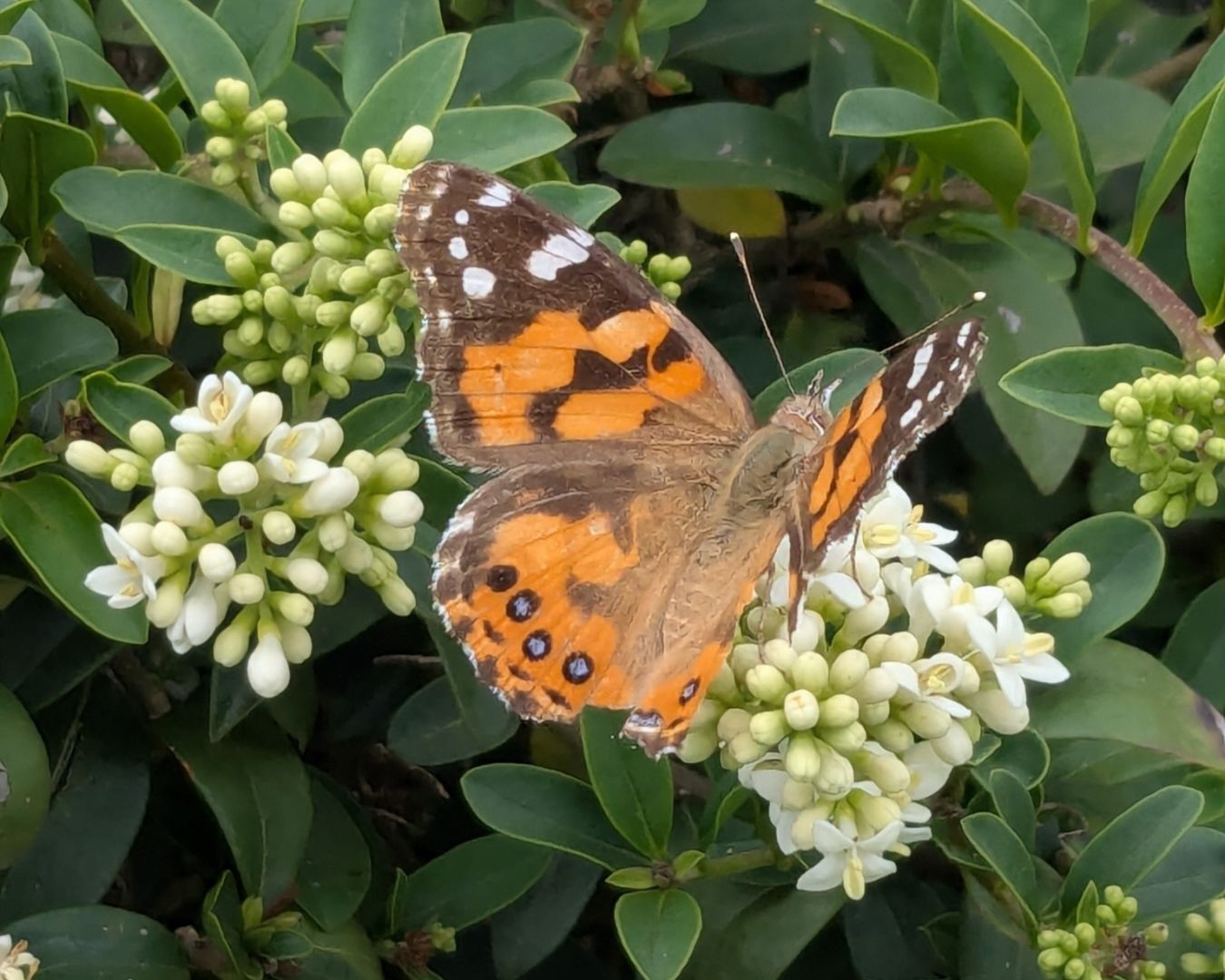
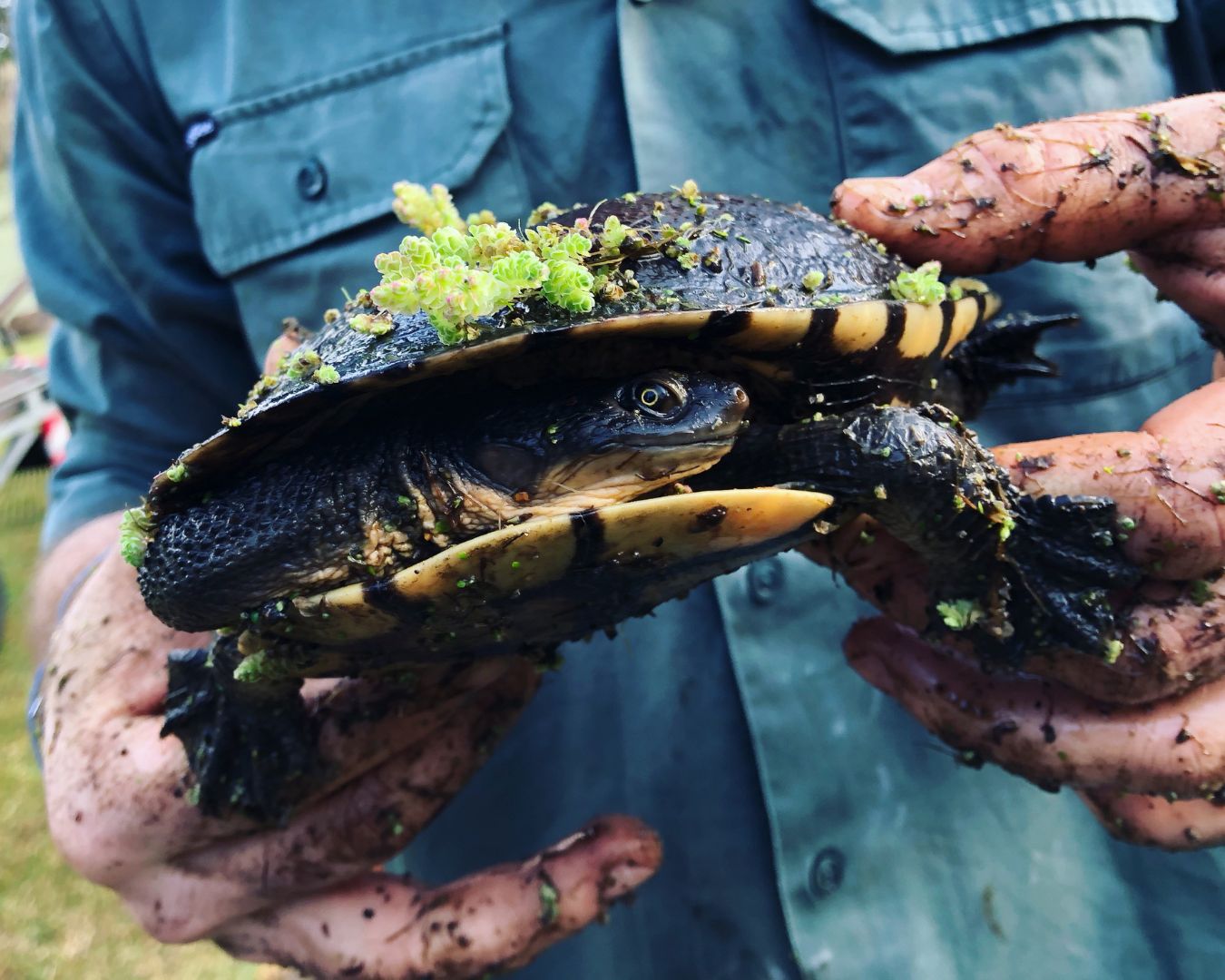
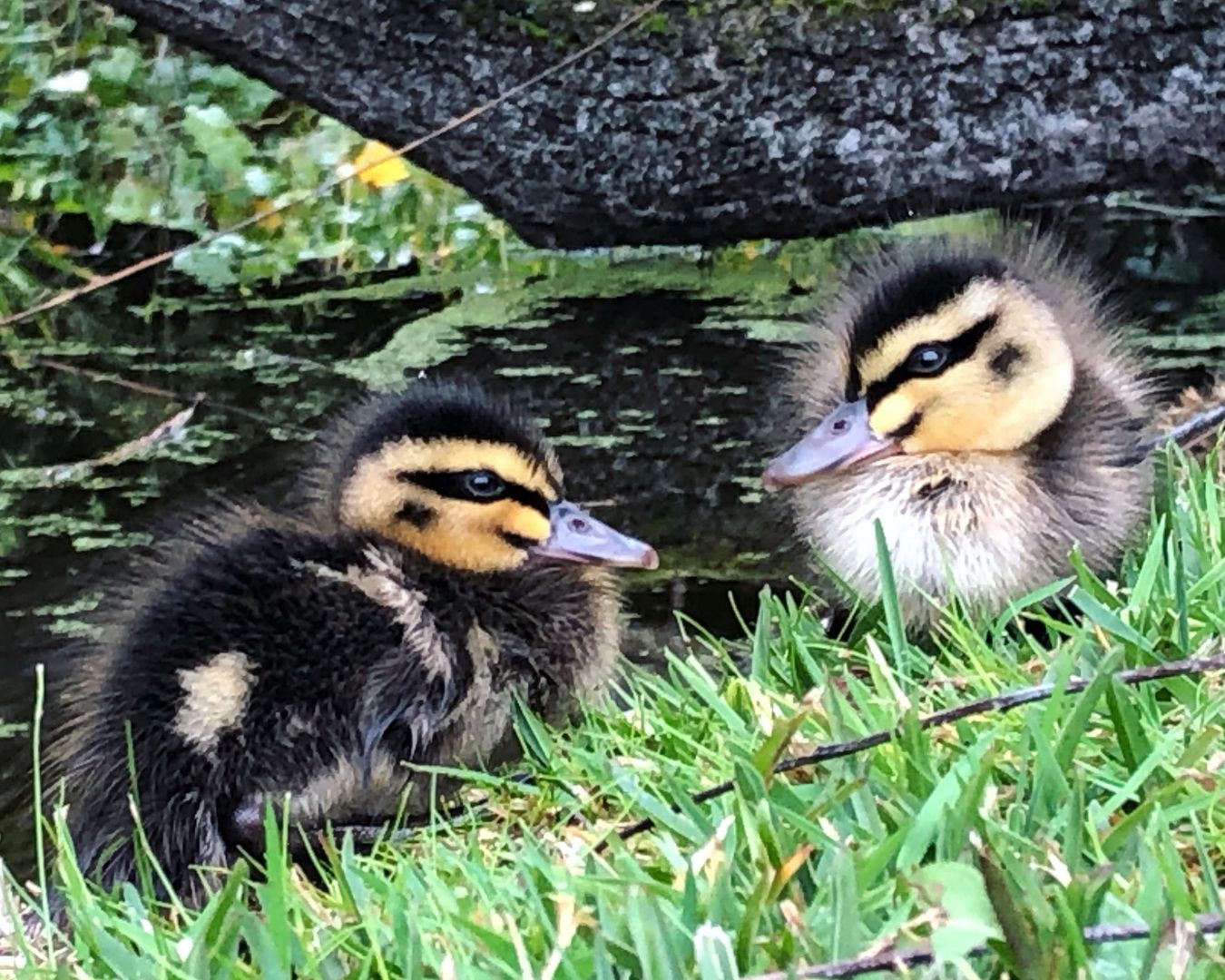
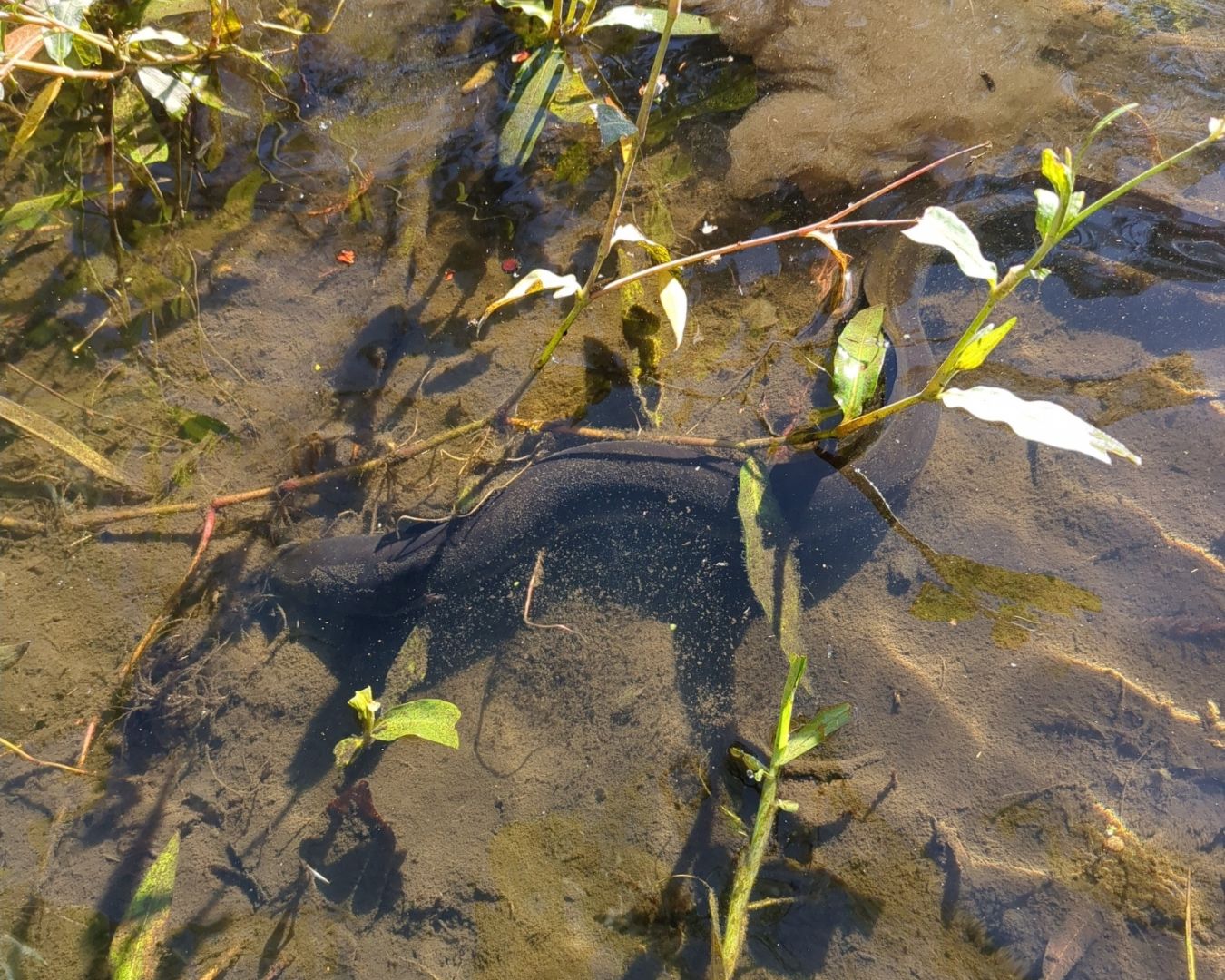
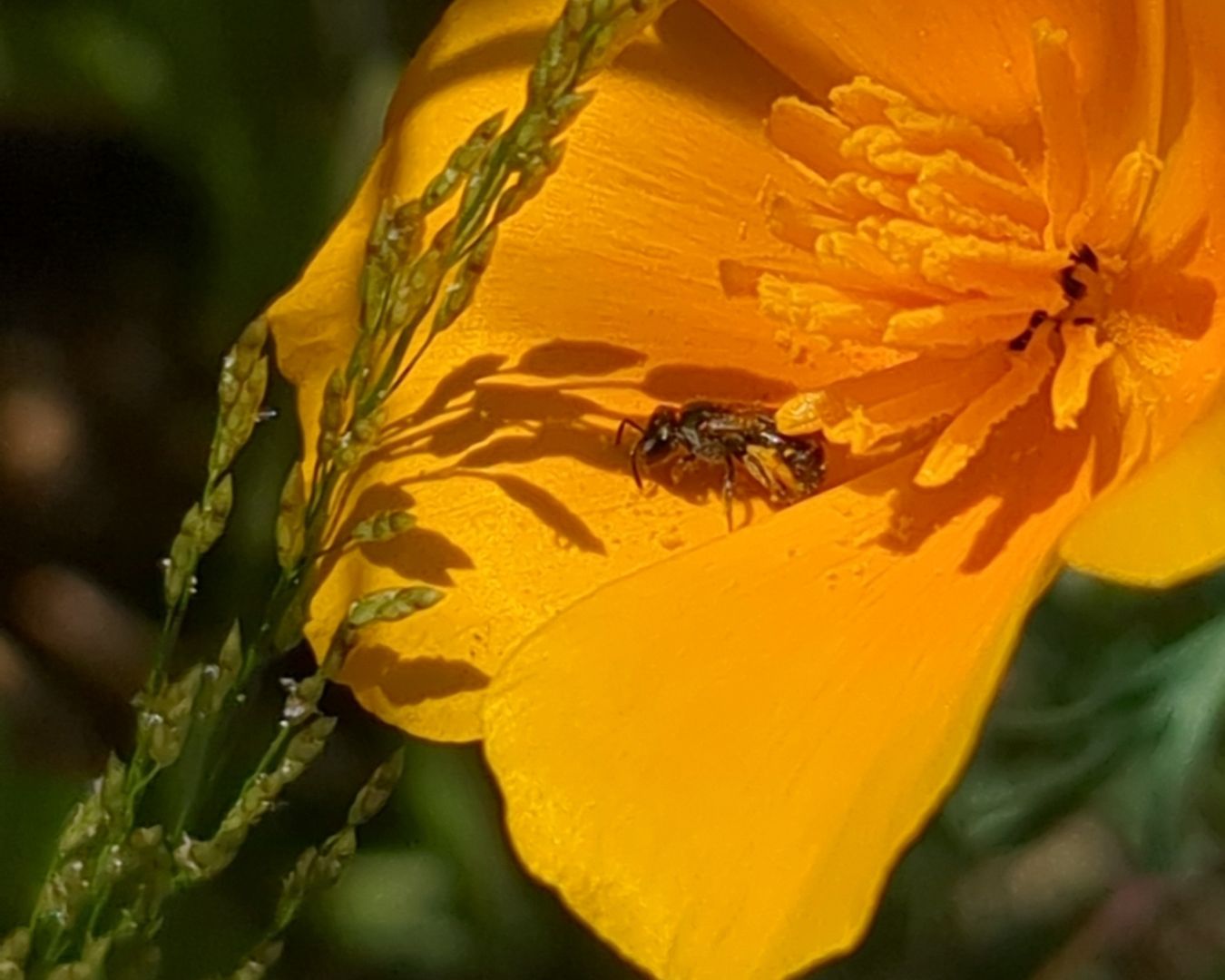
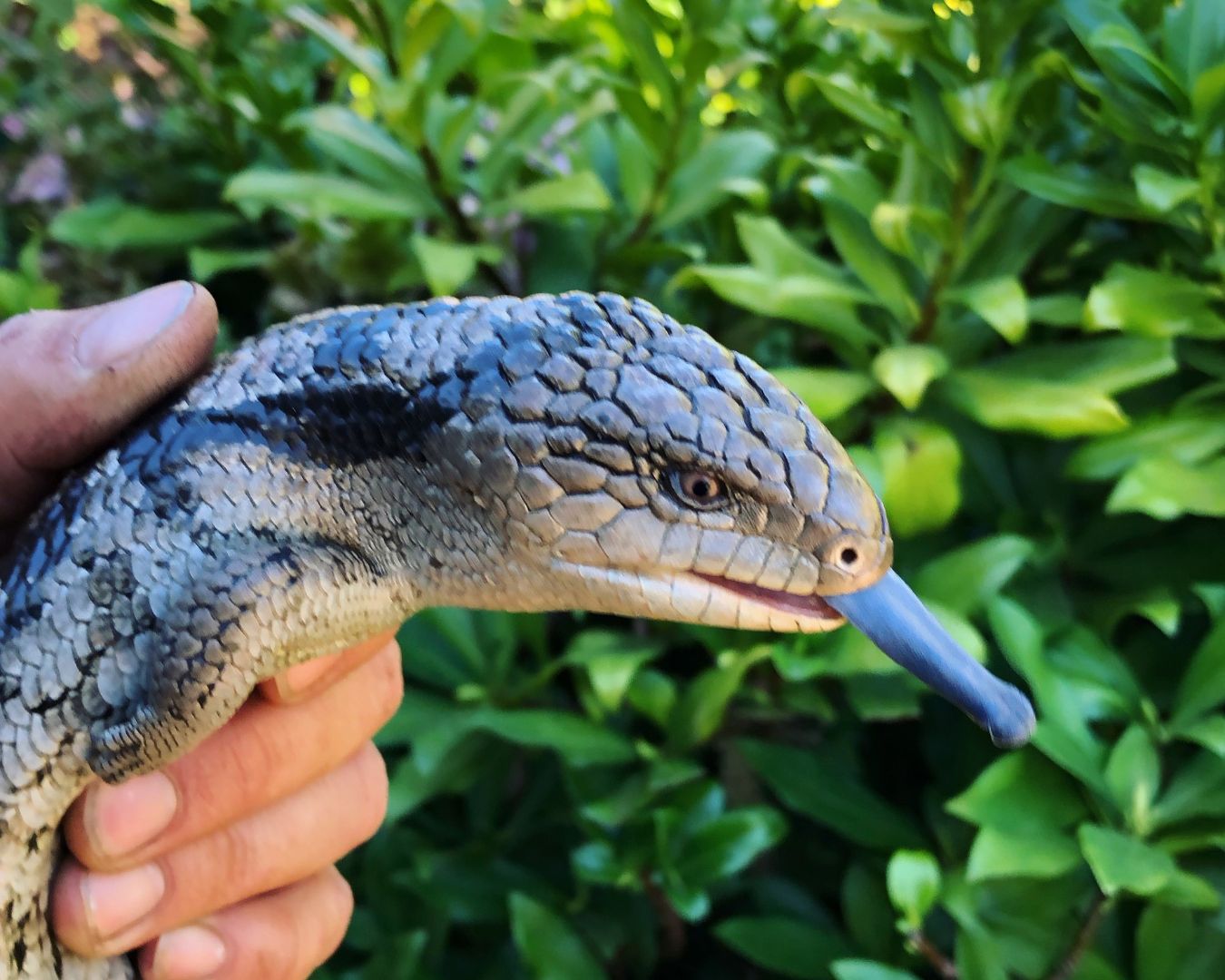
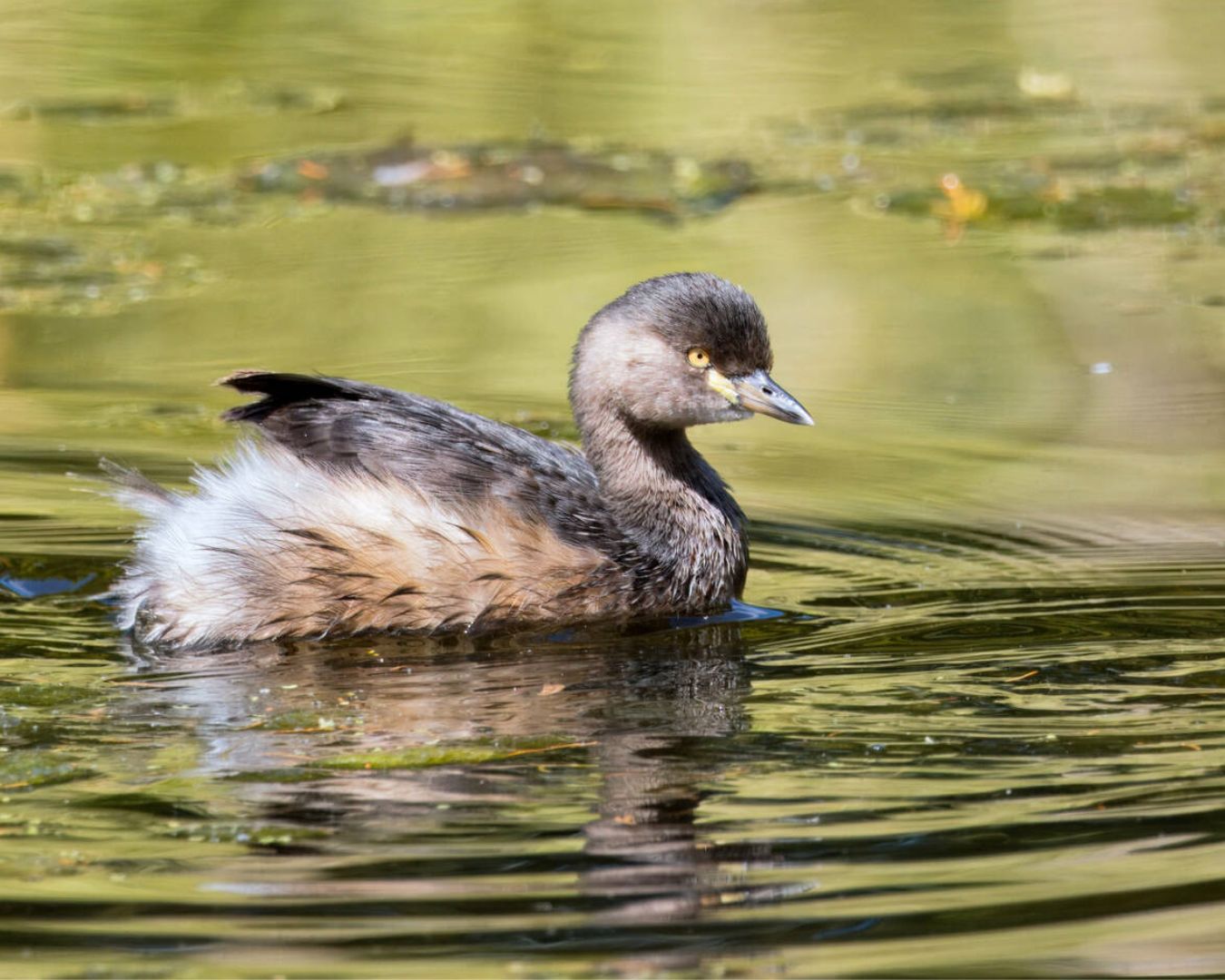
Recognised as a Top 5 Biodiversity Hotspot in the city of Glen Eira, the gardens are home to over 400 species of wildlife and plants – ranging from common bush birds to the endangered Plumed Egret and the locally rare Short-finned Eel.
Beyond the necessity of these gardens for local wildlife and the environment, spending time in gardens like Rippon Lea’s is also vital for our mental health and wellbeing. Connection to nature, or a lack thereof, is also directly tied to issues of environmental destruction and climate change.
Connecting people to nature is one of the most important pieces of advocacy that the National Trust is built upon.
Of National heritage significance, Rippon Lea is a grand 19th century mansion complete with a Victorian garden to explore, heritage orchard, lake, childrens playground, fernery and grotto.