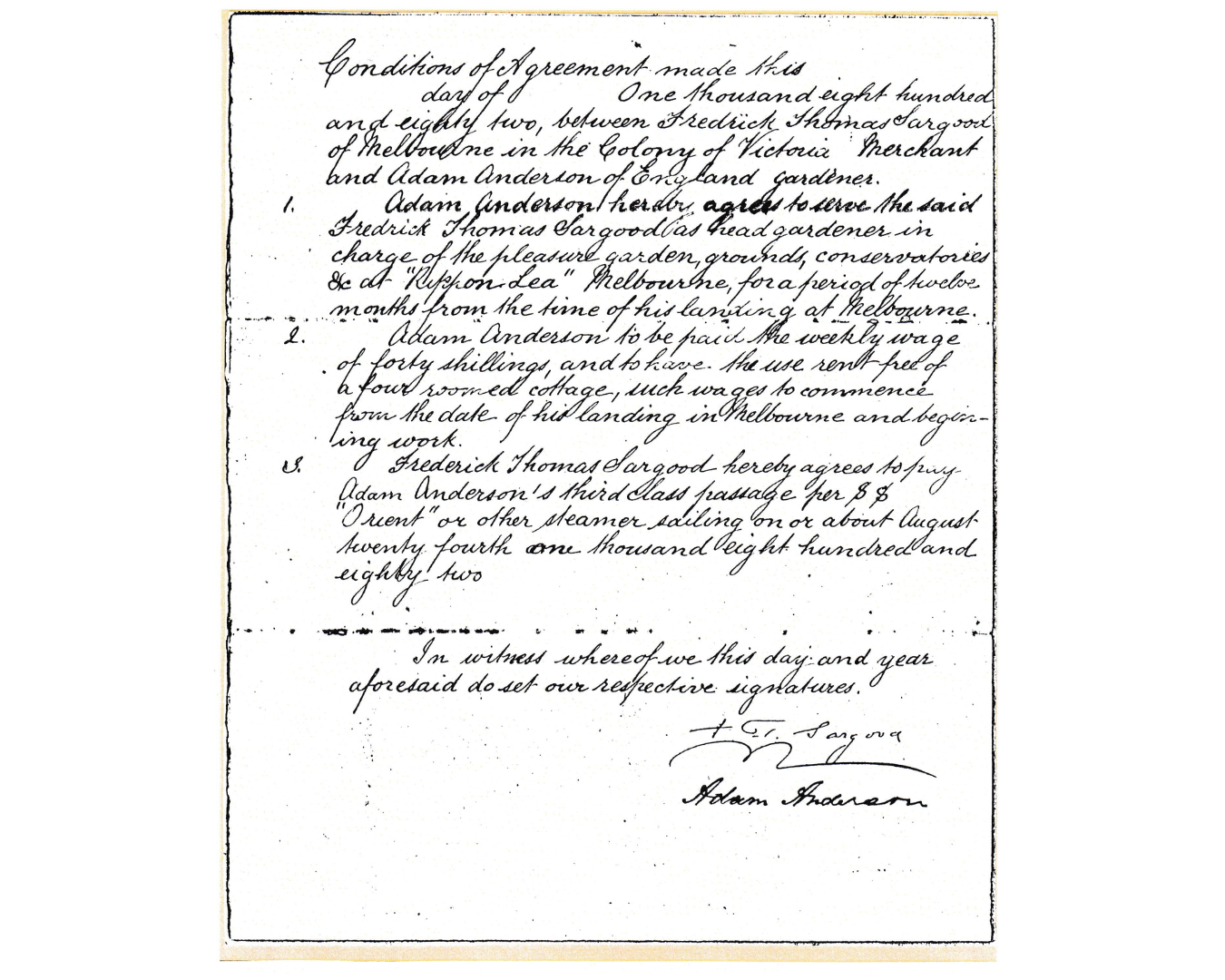
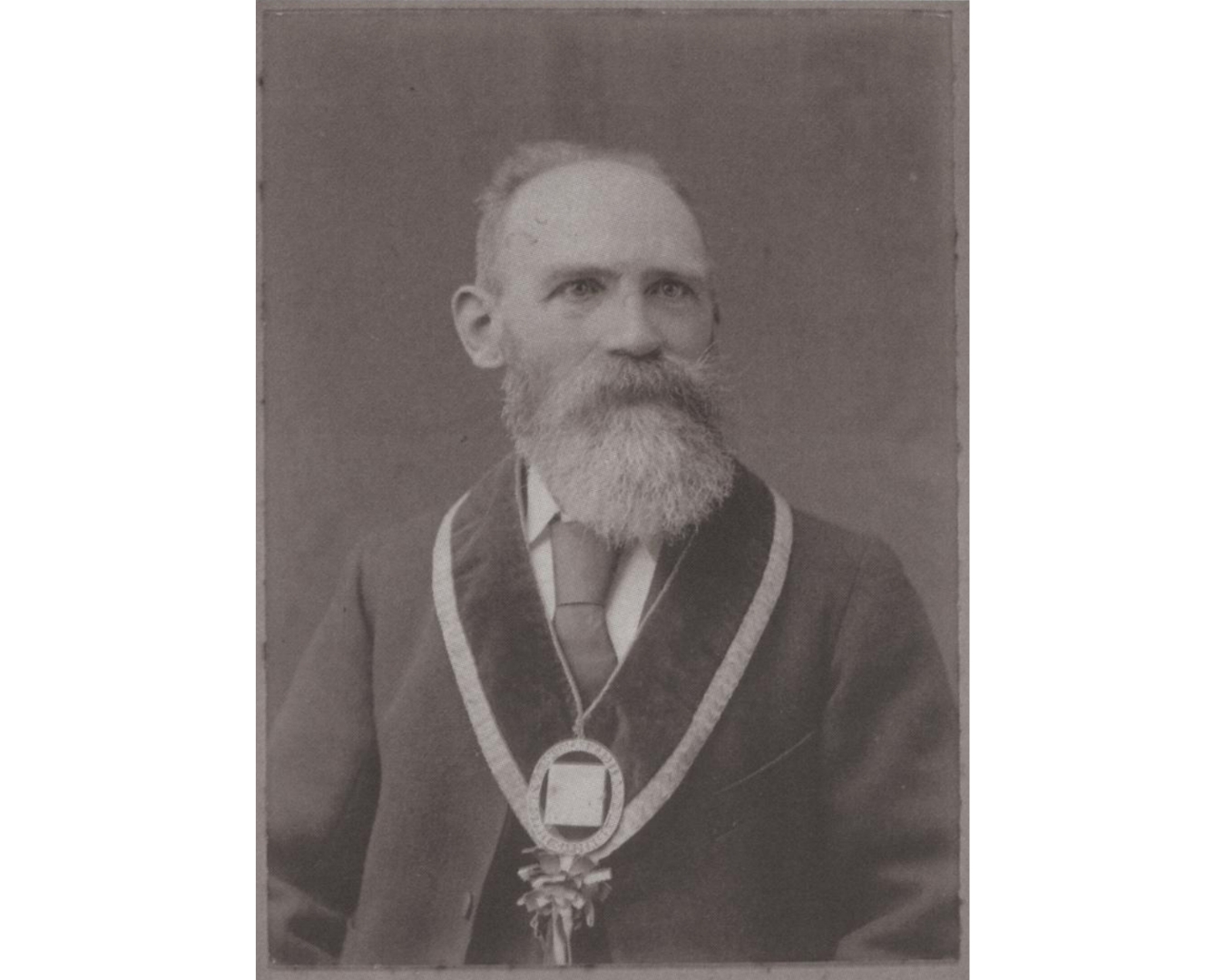
Adam Anderson was Head Gardener at Rippon Lea from 1882 until the death of Sir Frederick Sargood in 1903.
Over two decades, he brought innovative, modern gardening techniques to Rippon Lea Estate. He oversaw all aspects of the gardens, including the stove and glasshouses that once housed Australia’s largest collection of orchids.
Born in Scotland, Adam Anderson had worked at Chatsworth, Haddo House and Wakefield Lodge before emigrating to Australia.
Chatsworth and Wakefield were famous for their ‘natural’ landscape gardens, designed by Lancelot “Capability” Brown. Chatsworth’s grand conservatory, built by Joseph Paxton, was at one time the largest glass building in the world. Anderson’s experience gained working in these famous gardens would have been very highly regarded.
In 1882, while living in London, Frederick Sargood engaged Anderson in the position of Head Gardener at Rippon Lea Estate. The Anderson family (travelling 3rd class) would sail to Melbourne on the same ship as the Sargoods (1st class), arriving on the 10th of October 1882.
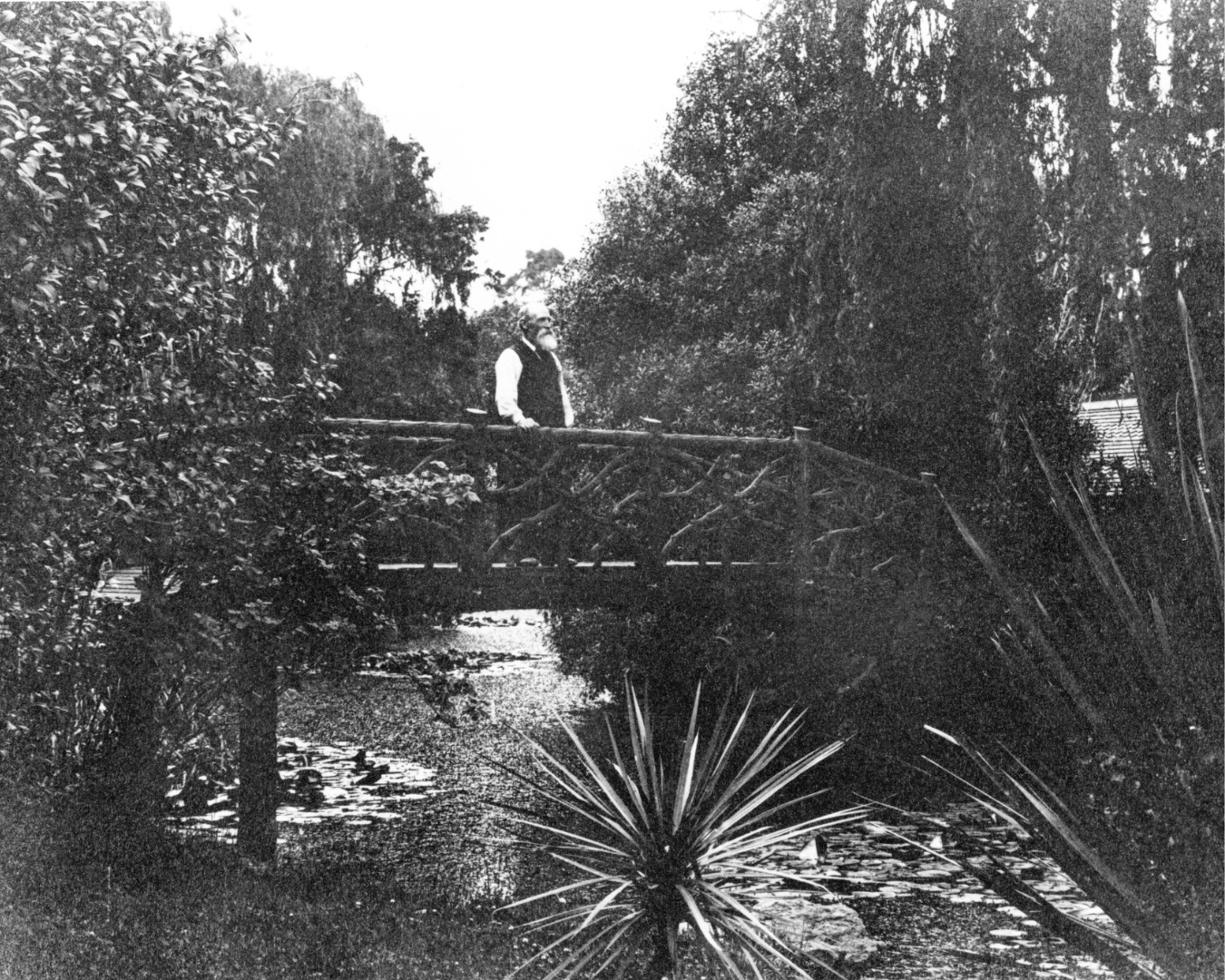
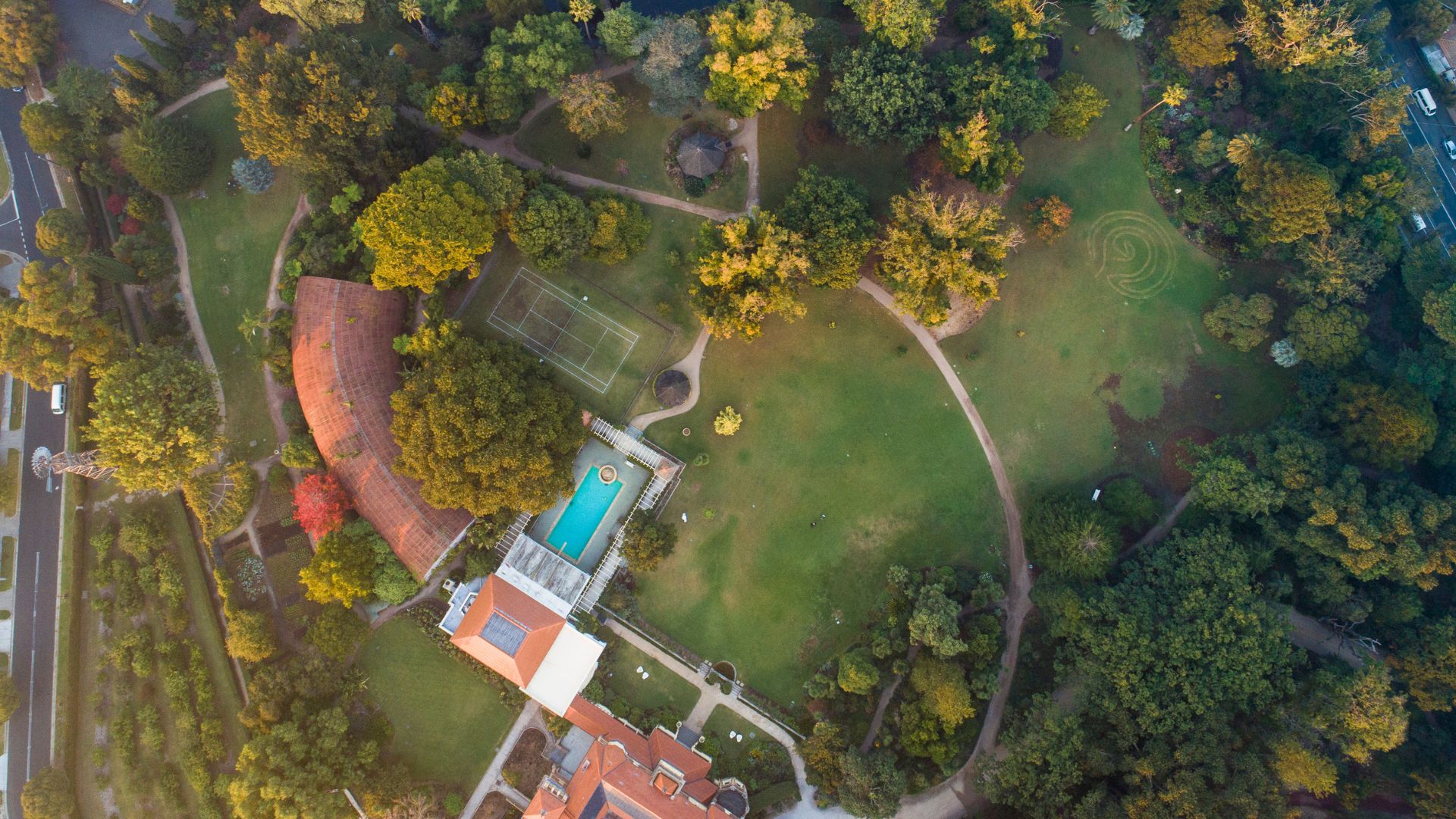
Anderson oversaw extensive changes to Rippon Lea’s garden in his first two years, including lawn and lake enlargements, the lookout tower, new conservatories for exotic plants, and the largest fernery in the southern hemisphere. He fast gained a reputation for being able to “grow anything” – including a green rose!
The Garden Gazette featured Rippon Lea in 1902, publishing “… Mr Anderson to whose ability and care the beautiful grounds of ‘Rippon Lea’ owe much. […] he naturally takes deep pride – though he shows it modestly – in the perfection to which the gardens have been brought.”
Sir Frederick was passionate about his garden, and he found a kindred spirit in Anderson. Each morning after Sargood finished breakfast, he would meet Anderson in the garden to discuss work plans for the day. The household could set their clocks by this meeting!
Following Sir Frederick’s death in 1903, his wife, Lady Sargood, wrote a reference for Anderson. In it, she described Mr Anderson as “…the most capable and industrious of workers – a good manager among the men and boys under his control, being a kind head over them. He has a good knowledge and experience in all departments of his work. I know Sir Frederick had the highest opinion of his character and perfect confidence in him in every way.”
In his will, Sir Frederick provided a pension for Anderson and the use of a cottage on the site for the rest of his life. He lived in the cottage on Willow St until his death in 1926.
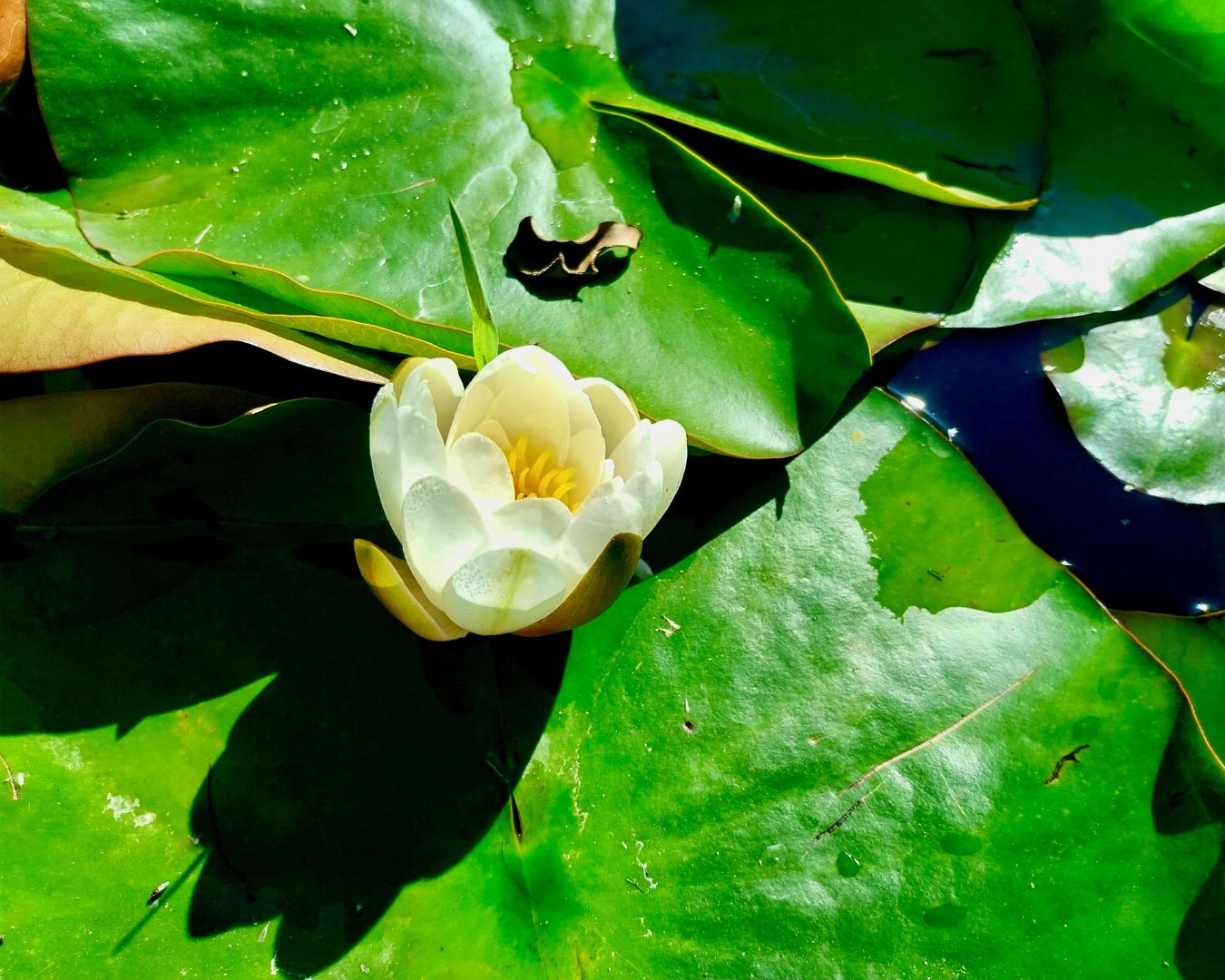
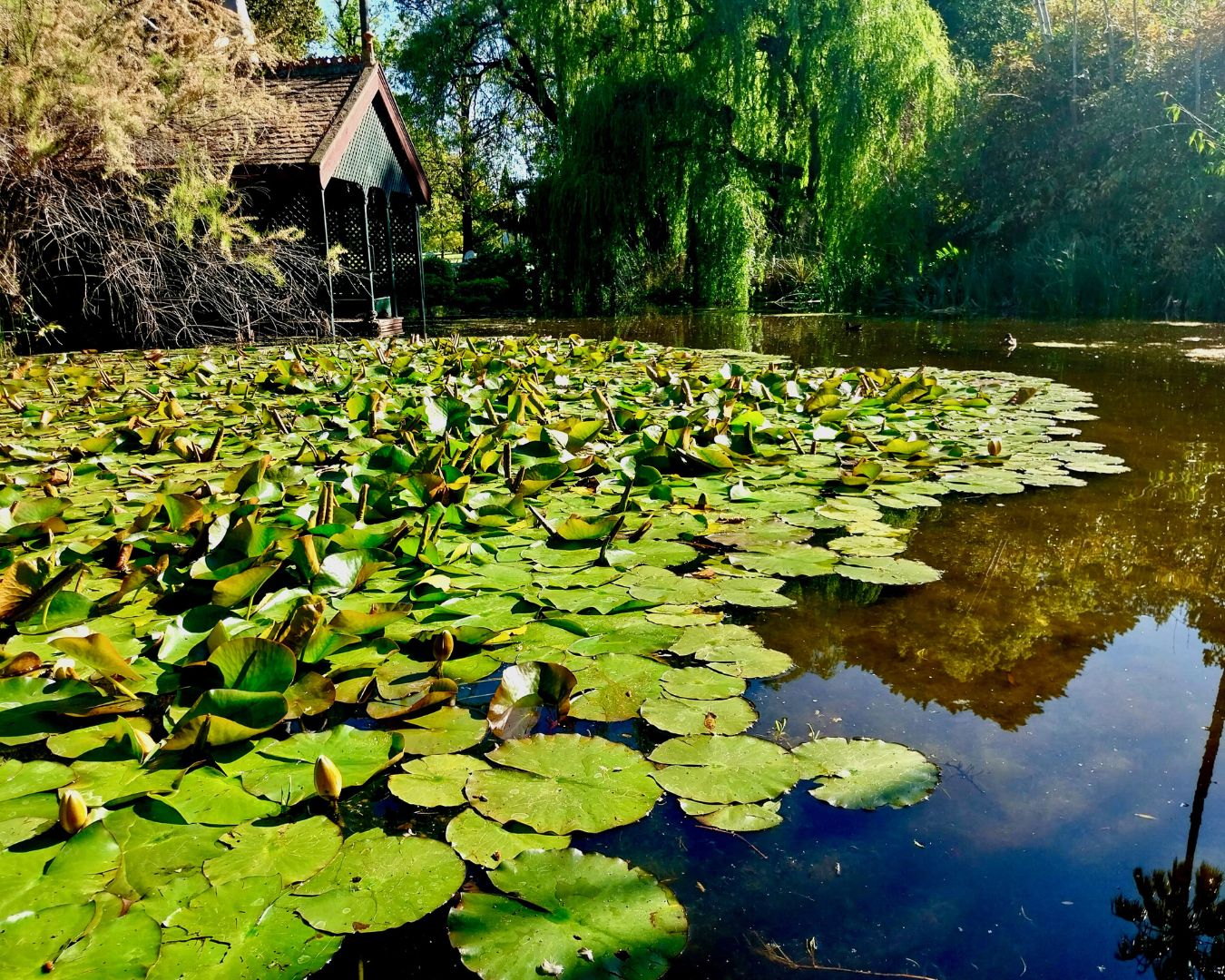
Anderson took great pride in giving tours of the gardens at Rippon Lea. On one tour, he showed off the fernery as his “pride and joy”. But it was during a row in a boat around the lake that he pointed out his favourite flowers – the water lilies.
Today, you can still see the water lilies so loved by Adam Anderson growing in the lake.
What is your favourite part of Adam Anderson’s garden?
Of National heritage significance, Rippon Lea is a grand 19th century mansion complete with a Victorian garden to explore, heritage orchard, lake, childrens playground, fernery and grotto.