Skip to content
  • Places
  • Topics
  • Times
  • Places
  • Topics
  • Times

On Target: Archery at Rippon Lea

Rippon Lea Estate,

Social History,

19th Century

The Rippon Lea Archery Club was started by Frederick Sargood. Members met for practice every Friday and for ‘Bow meetings’ every second Saturday.

Clara Sargood described a typical bow meeting in her memoirs: “Six targets were put up, and the members were divided to the targets. Three arrows were shot from each end.

Some of us children were allowed the privilege of hunting for the arrows. The lady who made the most golds in the afternoon was presented with a pair of gloves.”

In September 1895, The Australasian reported that “The number of members (of the Rippon Lea archery club) is at present 40. On bow days the spacious lawns at Rippon Lea present an animated appearance, as amid the delightful surrounds archers of both sexes, ranged in graceful line, discharge their arrows or cross the range to make their score and prepare to shoot in the reverse direction.”

“Ladies require no special costume, but may wear their most becoming attire, provided there is nothing to hinder the free movement of the arms and head, and no flowing ribbons, lace frilling or loose jewellery to get in the way.”

A family of toxophilites – archery enthusiasts

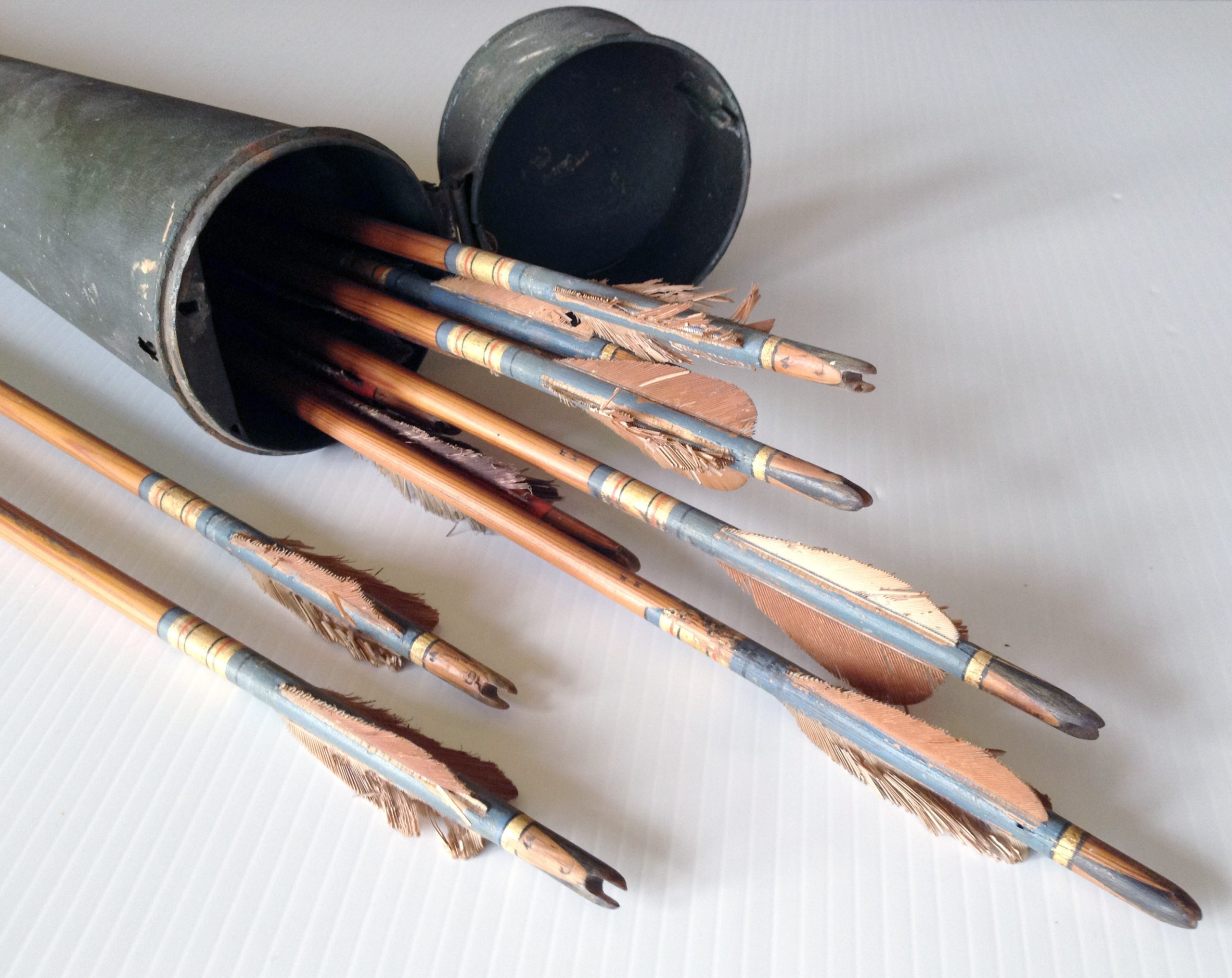
QuiverandArrows C Sargood
Sargood Archery C Sargood

Frederick Sargood’s wife and children shared his love of the sport. This archery equipment belonged to one of Sargood’s children, either Clara or Charlotte.

Learn more

Loading...
The Archery Hut at Rippon Lea Estate, a charming Victorian-style building surrounded by lush greenery, with detailed timberwork and a serene garden setting

Bullseye! The Archery House

In the 1890s Frederick Sargood constructed a purpose-built Archery House close to the existing archery range.
Learn More >>
Rippon Lea Estate
Of National heritage significance, Rippon Lea is a grand 19th century mansion complete with a Victorian garden to explore, heritage orchard, lake, childrens playground, fernery and grotto.

Learn More >>
Social History
What happened and why? What can we learn from it?

Learn More >>
19th Century
Colonisation, gold and the gilded Victorian Age

Learn More >>

Explore Hidden Heritage

  • Home
  • Places
  • Topics
  • Times
  • Home
  • Places
  • Topics
  • Times

Get Involved

(External Links)

  • Visit Places
  • Membership
  • Donate
  • Subscribe
  • Visit Places
  • Membership
  • Donate
  • Subscribe
Acknowledgement of Traditional Custodians
We acknowledge the Traditional Owners of Country throughout Victoria and recognise their continuing connection to lands, waters and communities. We pay respects to Aboriginal and Torres Strait Islander cultures; and to Elders past and present.
Facebook-f Icon-twitter-x Instagram Youtube

This website made possible with the assistance of The Commonwealth Government through the Australian Heritage Grants program.

Address: National Trust of Australia (Victoria), Tasma Terrace, 6 Parliament Place, East Melbourne Vic 3002   |  email: info@nattrust.com.au   |  tel: +61 3 9656 9800   |  fax: +61 3 9650 5397